
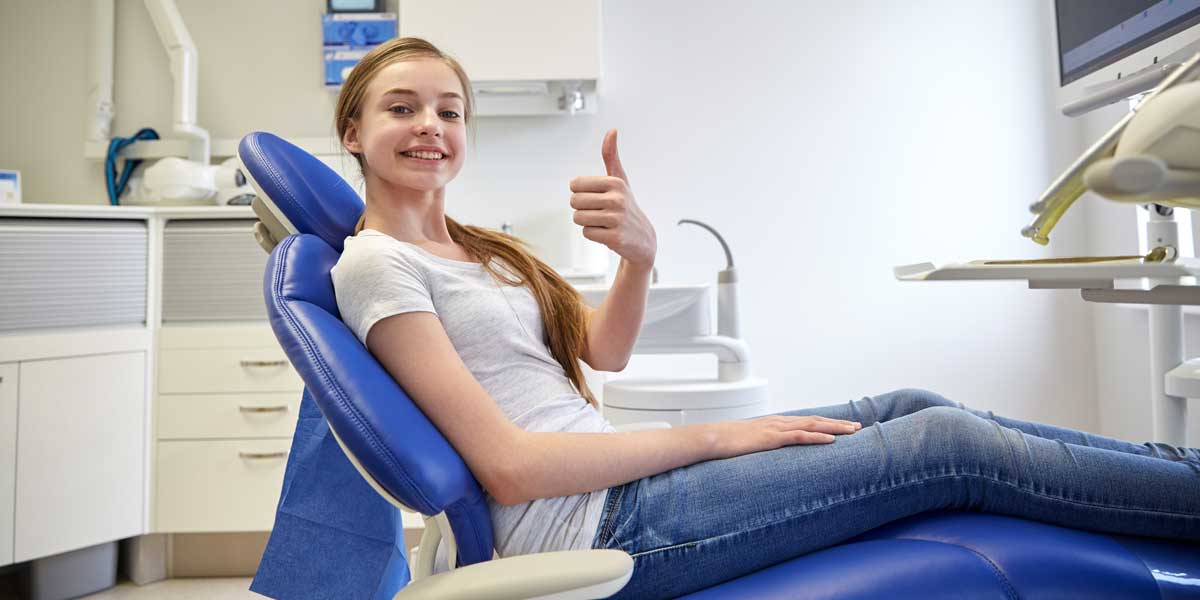
Patient Procedures performed at Pearlmax Oral Surgery

Wisdom Teeth

Wisdom TeethWisdom teeth or third molars appear as the last tooth in the mouth and begin to erupt around the age of 16 years. Depending on the reference source, up to 90% of the population does not have enough room for wisdom teeth to erupt into a position which is accessible for good hygiene.

A commonly asked question is, "Why do we have wisdom teeth if there is no room in the jaws for them?". The answer has to do with diet. According to the British Journal of Oral and Maxillofacial surgery, in a article titled, Management of Asymptomatic Impacted Wisdom Teeth, Vol. 34 October 1996, the author notes that in Neolithic man the average, highly abrasive diet caused attrition of the teeth resulting in a reduction in the size of the molars from front to back. This decrease in size from the abrasive nature of the food ingested allowed for the forward migration of the teeth and adequate space for the eruption of the wisdom teeth. With the arrival of processed foods and a reduction in the amount of chewing necessary to reduce the food for swallowing, less wear occurs. This coupled with a decrease in the loss of teeth as a result of a decrease in cavities, requires modern generations to address impacted and partially impacted wisdom teeth.

When the wisdom teeth cannot be cleaned, infection may result. They have the potential for infection and the potential for this infection to spread to other teeth that usually motivates the patient to have the wisdom teeth removed. Other common reasons for the removal of wisdom teeth may be the potential for them to cause cysts, tumors, or cancer or the potential for them to cause crowding and shifting of the other teeth in the mouth are highly suspect. Although many believe that wisdom teeth cause crowding, this has never been definitively proven in any well controlled scientific study. Additionally, the possibility for them to cause cysts or tumors is very, very low. Although removing a wisdom tooth can weaken the jaw for a short period of time post-operatively, leaving a wisdom tooth in does not cause the jaw in the area to be inherently weak. Cancer occurring in wisdom teeth is a rare phenomenon.

Wisdom TeethWisdom teeth are removed mainly to eliminate the potential for infection and damage to adjacent teeth. The jaws of most individuals are generally not large enough to accommodate the wisdom teeth and they remain either under the gum tissue where they have a three to five percent chance of becoming cystic or they become partially exposed where they will have much greater potential for becoming infected. Infection causes bone loss, damage to adjacent teeth and PAIN. When the dentist determines that no room exists for the wisdom teeth to erupt into a normal position, the decision then becomes, do you wait for the infection to occur or do you remove the tooth before infection and pain begins. Studies have shown that infection commonly occurs around malposed wisdom teeth. Study after study confirms that complications from the extraction of wisdom teeth increases dramatically as the patient enters their 30's. Once symptoms of pocketing, swelling, food impaction or pain begin, removal is the most prudent course since the symptoms will not subside until the teeth are removed. Should the patient have only symptomatic wisdom teeth removed and leave other asymptomatic wisdom teeth in the mouth until later? This depends on the relative position of the other wisdom teeth and whether or not the patient wants to be operated on more than once. Most dentists agree that one surgery is best and that multiple trips to the oral surgeon for the removal of wisdom teeth is not in the best interest of the patient and only raises the potential for complications from multiple anesthetics

Oral Examination

With an oral examination and x-rays of the mouth, Dr. Trujillo can evaluate the position of the wisdom teeth and predict if there may be present or future problems. Studies have shown that early evaluation and treatment result in a superior outcome for the patient. Patients are generally first evaluated in the mid- teenage years by their dentist, orthodontist or by an oral and maxillofacial surgeon. Removal of the wisdom teeth could be performed while the patient is under anesthesia to maximize patient comfort. Dr. Trujillo has the training, licenses and experience to provide various types of anesthesia to allow patients to select the best alternative. These services are provided in an environment of optimum safety, utilizing modern monitoring equipment and staff trained and experienced in anesthesia techniques. Following surgery, you may experience some swelling and mild discomfort, which are part of the normal healing process. Cold compresses may help decrease the swelling, and prescribed medications can help manage the discomfort. You may be instructed to modify your diet following surgery and later progress to more normal foods. If you have any questions, please do not hesitate to contact us.